Challenge
Traditional glass joining methods often rely on adhesives, intermediate bonding layers, elevated temperatures, or controlled atmospheres. These approaches can introduce contamination, reduce optical quality, create thermal stress, and increase manufacturing complexity. The objective was to develop a reliable glass-to-glass joining process capable of producing a strong, hermetically sealed bond while preserving optical transparency and eliminating the need for additional bonding materials.
Solution
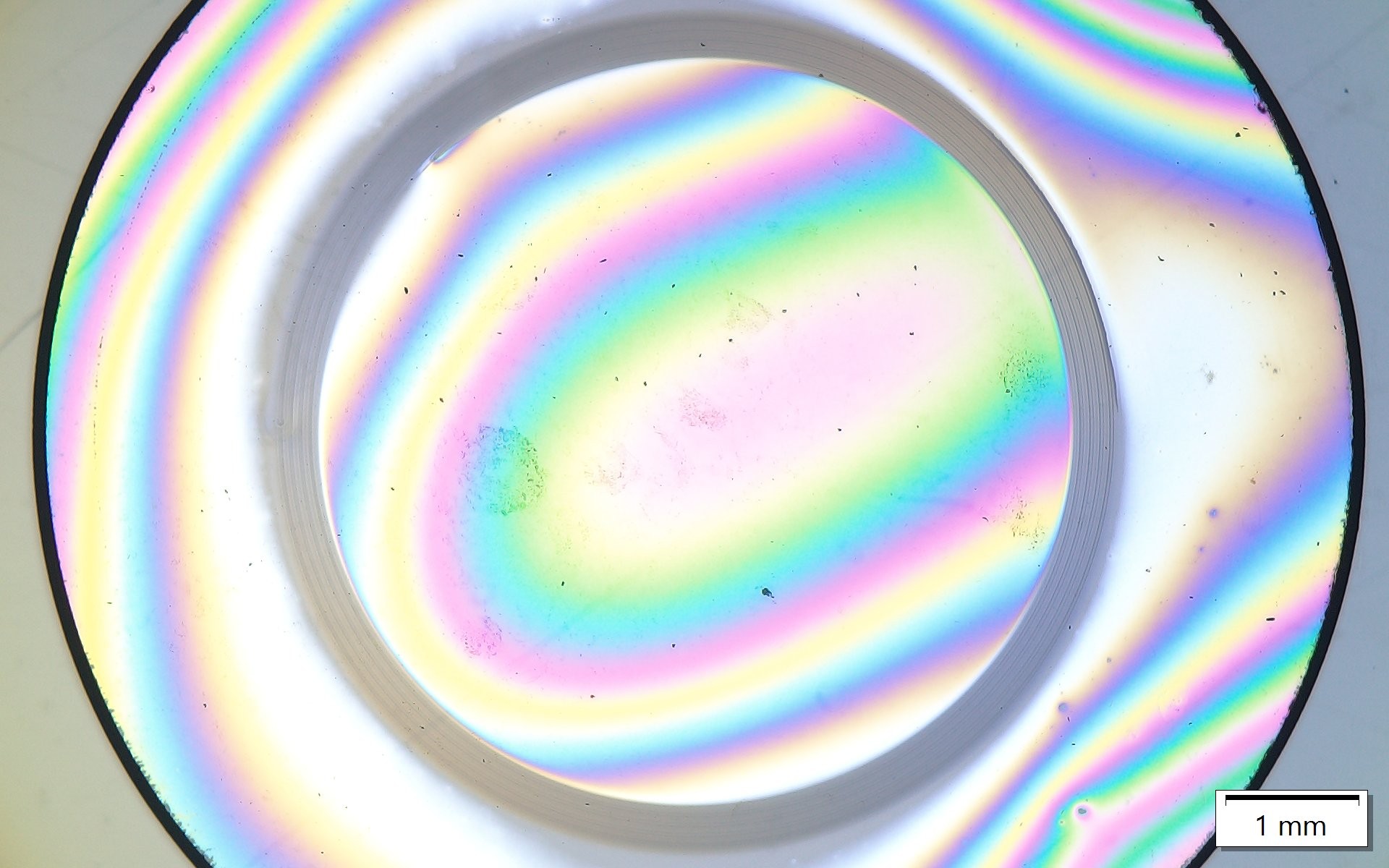
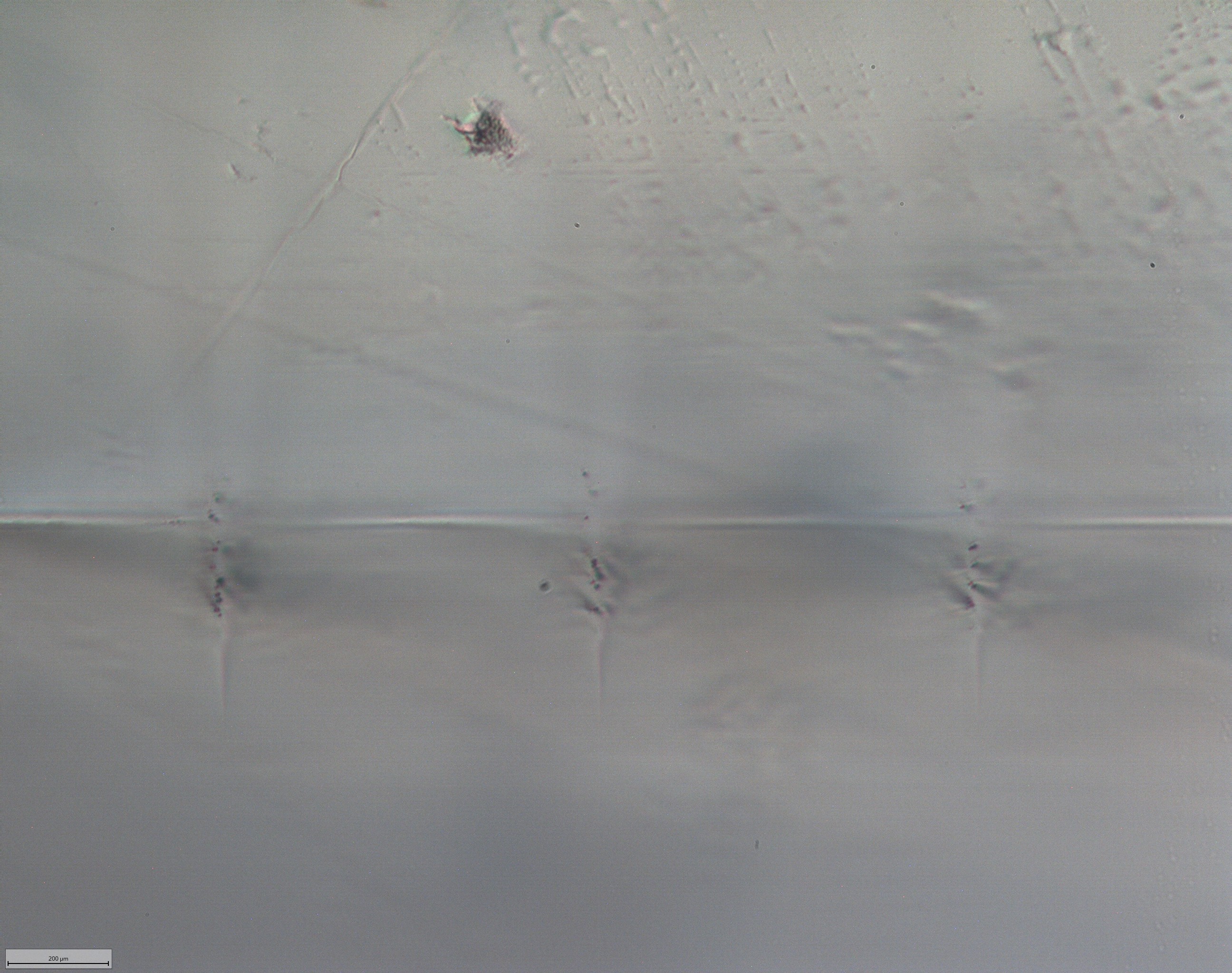
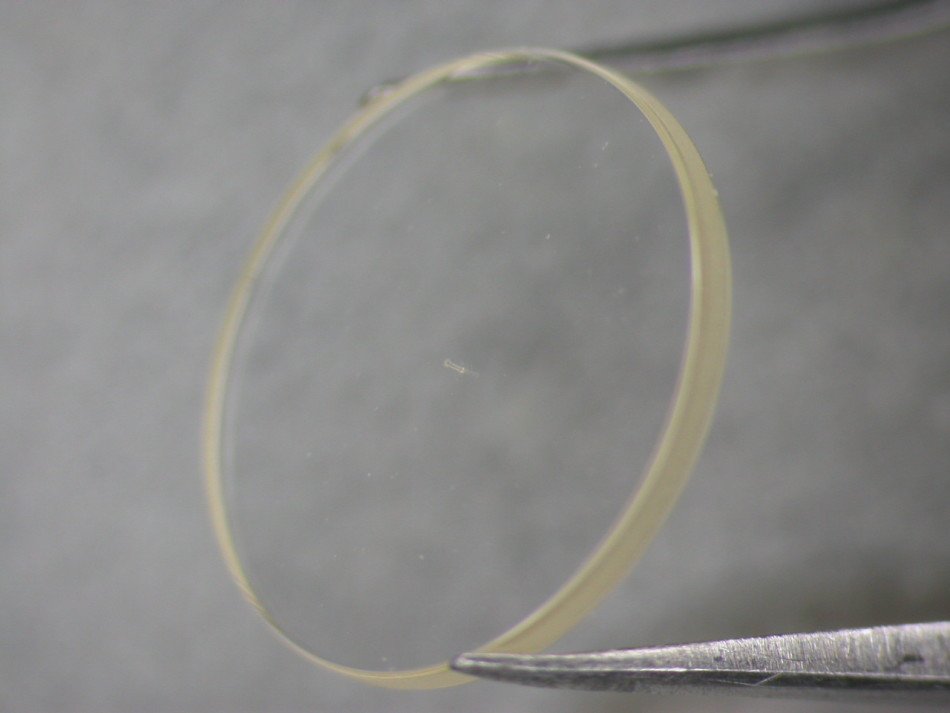
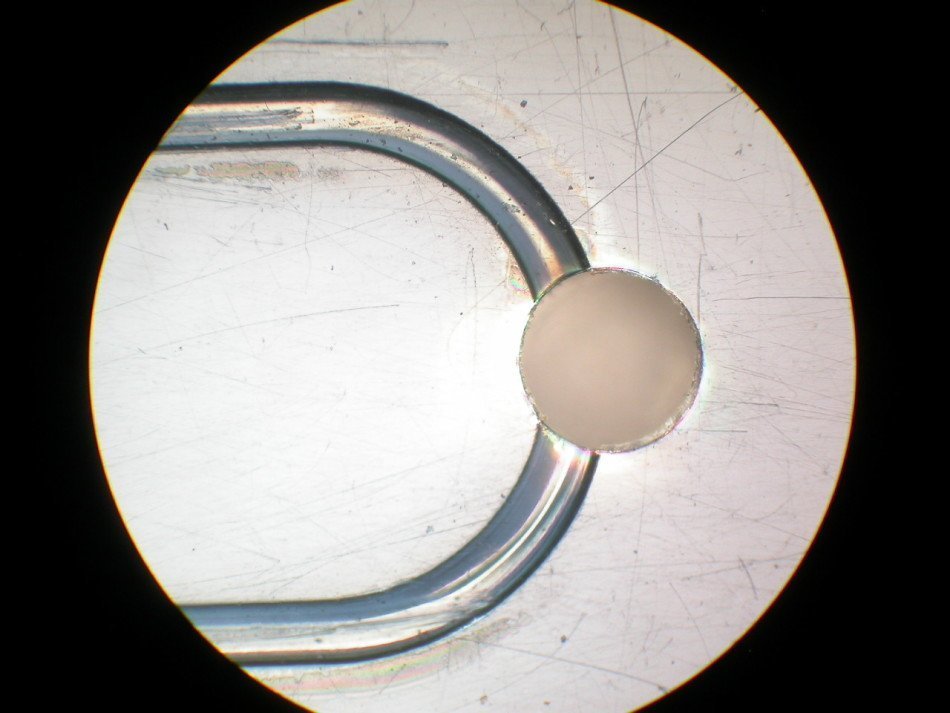
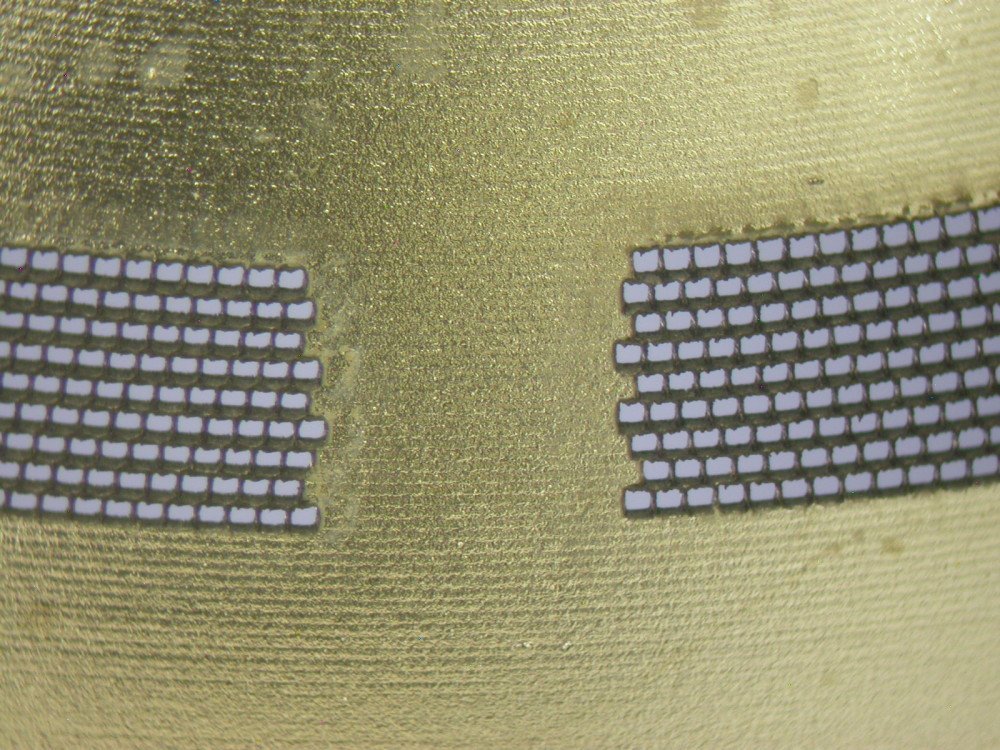
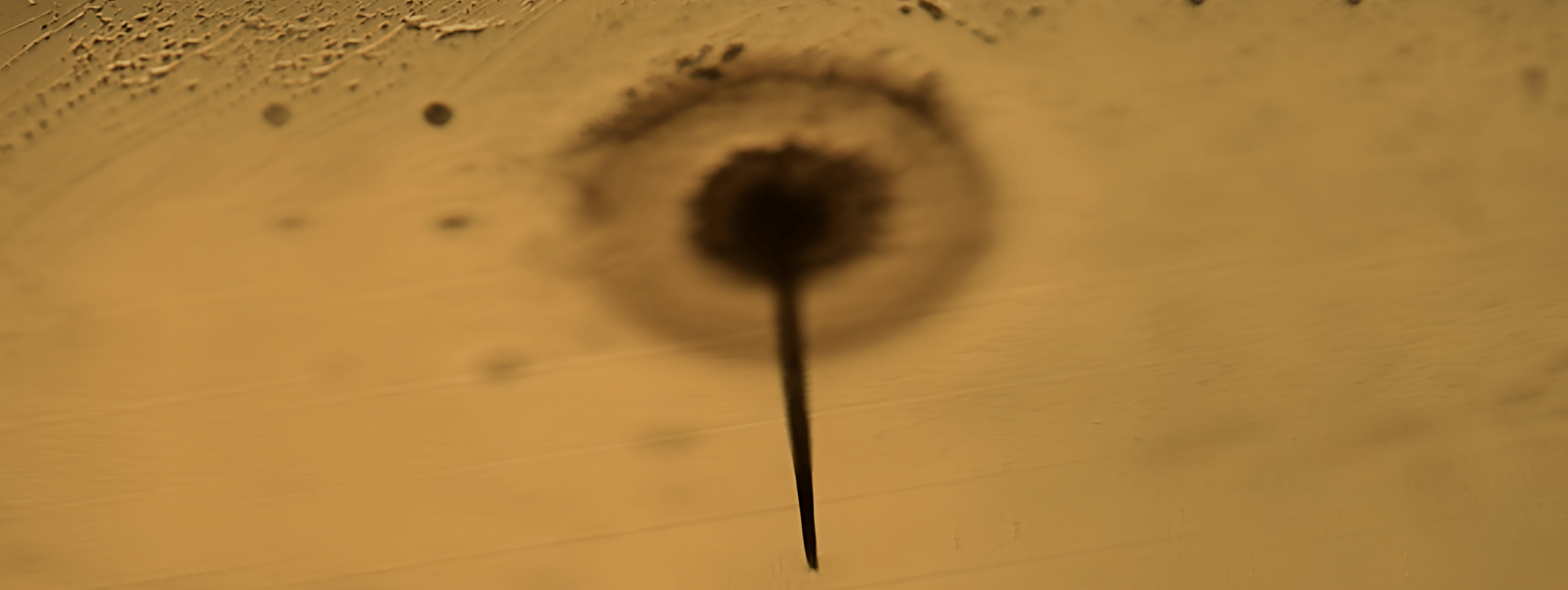
Precision MicroFab used a near-infrared (NIR) femtosecond laser to directly weld two Borofloat® glass substrates. Ultrashort laser pulses were precisely focused at the glass-to-glass interface, where nonlinear absorption generated localized melting and resolidification, creating a weld seam. The process produced direct fusion of the substrates without adhesives, filler materials, bulk heating, intermediate bonding layers, or controlled atmospheres.
Results
The femtosecond laser welding process successfully created a robust, hermetically sealed bond with excellent optical quality, mechanical integrity, and minimal thermal impact on the surrounding material. Compared to conventional bonding techniques, the process provided a clean, reliable, and scalable manufacturing solution for applications including photonics, microfluidics, precision optics, optical sensors, gyroscopes, LiDAR components, aerospace instrumentation, and hermetically sealed medical and implantable devices, where high-reliability bonding is critical.